

Finasteride And Minoxidil: Hair Loss Treatments Or Chemical Castration?
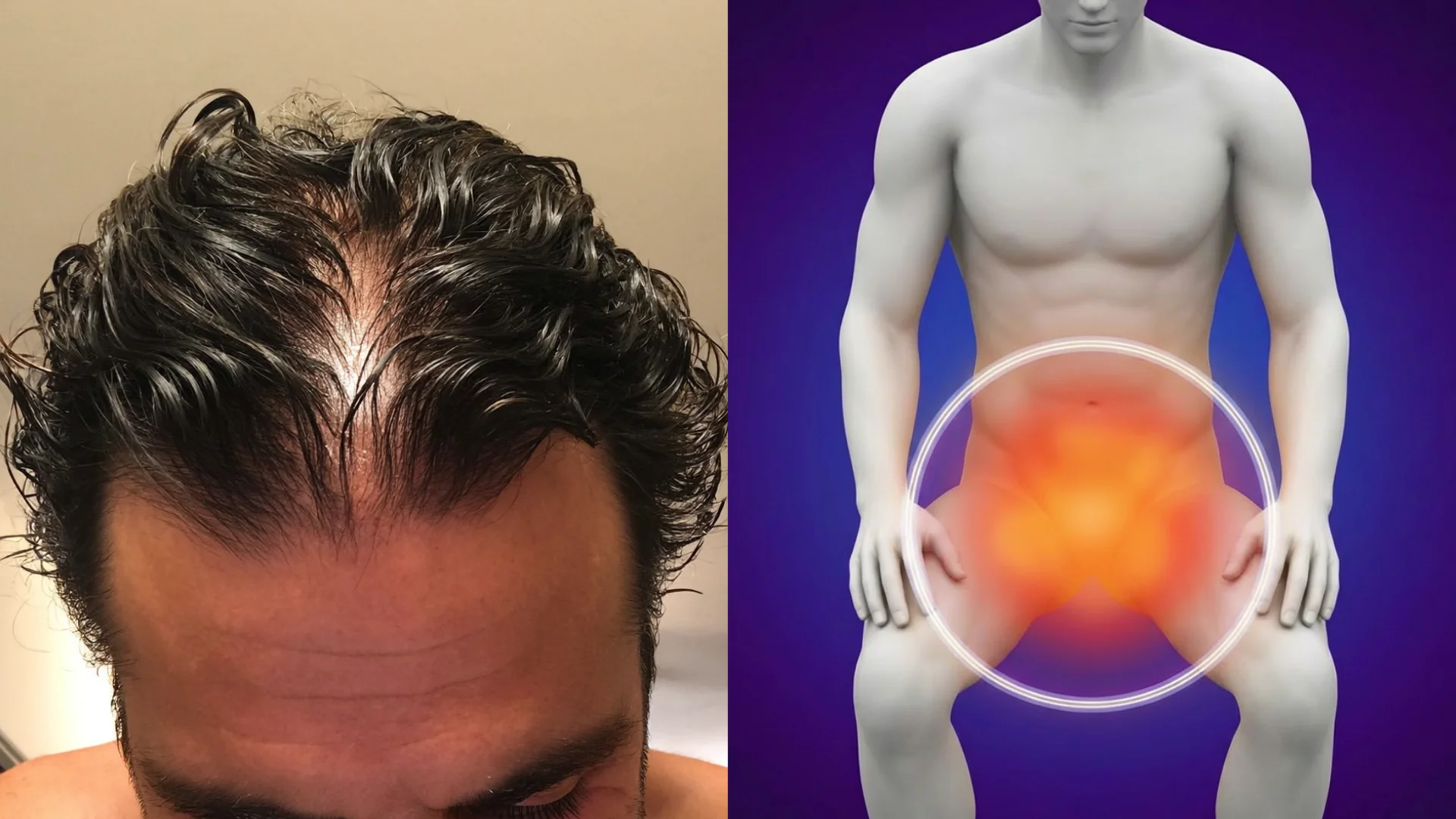
If you're taking finasteride or minoxidil (or considering them), here's what most dermatologists don't have time to explain:
- Only 30% of men see meaningful regrowth on finasteride
- 1 in 4 men report sexual side effects that can persist for years
- Less than 2% of minoxidil actually reaches the follicles
This doesn't mean these drugs are useless. It means they were never designed to solve the full problem.
They were breakthroughs when they were developed decades ago…
But modern science has revealed how to stop and reverse hair loss, and these drugs fall short.
This article explains why and what determines whether you spend the next decade dealing with side effects and minimal results, or actually regrow your hair.
Because hair loss science has moved beyond systemic drugs…
And there's finally a way to address hair loss without sacrificing your health.
Is Finasteride Worth The Risk?
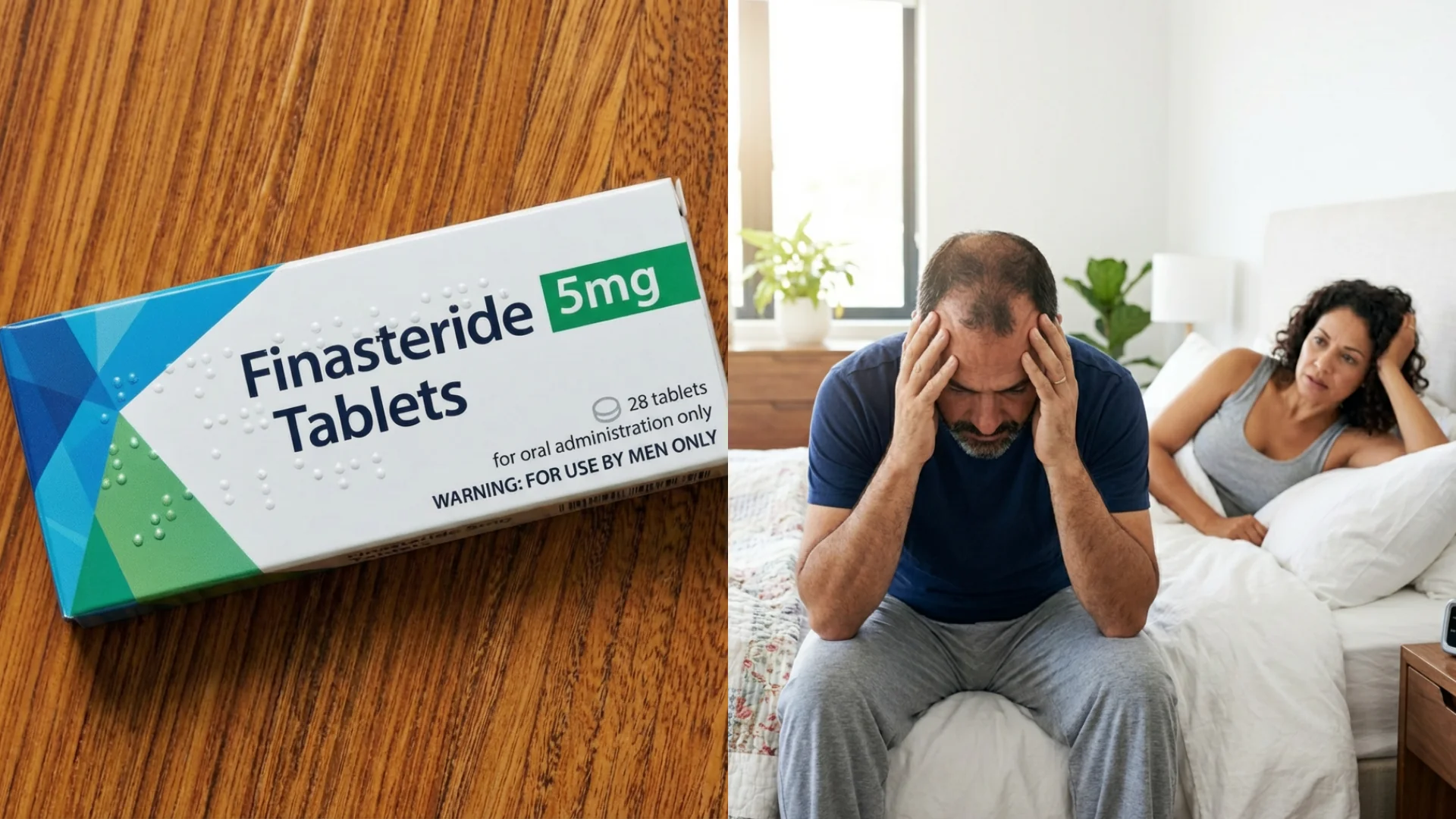
Finasteride does exactly what it's designed to do. It blocks DHT and slows hair loss.
But that's not as good as it sounds.
Finasteride suppresses an enzyme called 5-alpha reductase, which converts testosterone into DHT.
Less DHT means less follicle miniaturization so your hair stops thinning as fast.
But it doesn't just block DHT on your scalp. It blocks it throughout your entire body which is why real-world data shows up to 1 in 4 men report sexual side effects.
Lowered libido, erectile dysfunction, brain fog, depression and even fertility issues.
For some, these effects don't stop when they quit the drug. Post-Finasteride Syndrome is real—persistent sexual dysfunction and cognitive issues that can last years.
One Reddit user described it this way: "My entire life collapsed with persistent anxiety, brain fog, numb genitals, insomnia, plummeting self-esteem, zero sex drive, full ED... after just one dose."
Finasteride might slow your hair loss if you're willing to gamble with your hormones.
But it does nothing to stimulate growth, improve circulation, or strengthen weakened follicles. Which is why only 1 in 3 men see meaningful regrowth.
Why Did The FDA Approve Minoxidil If It Doesn't Work For 60% Of Men?
If finasteride blocks DHT but doesn't regrow hair, minoxidil does the opposite.
It stimulates growth but doesn't block DHT. So even if it works, you're still thinning. Just slower.
The real issue with Minoxidil is that it doesn't work for the majority of men.
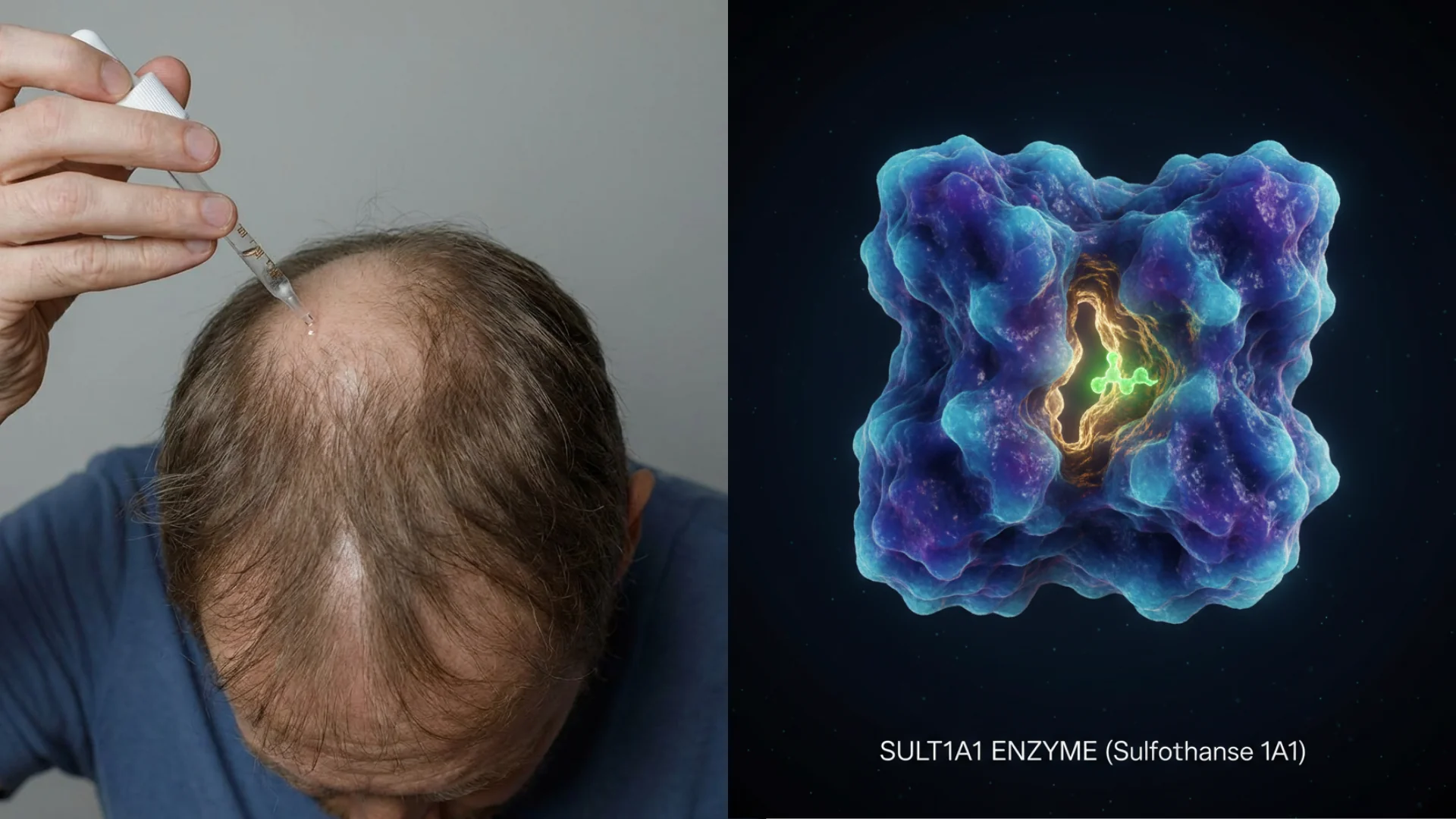
Minoxidil only works if your scalp produces enough of an enzyme called SULT1A1 and studies show 50-60% of men don't have it.
Think about that. The only FDA-approved topical for hair loss doesn't work for half the men who use it, and there's no way to know if you're one of them until you've already wasted 6 months and hundreds of dollars.
Even if you're lucky enough to have the enzyme, less than 2% of topical minoxidil actually penetrates your scalp.
The other 98% never even reaches your follicles, it's just… wasted. And when you stop using it, everything you gained falls out within months.
So your options are to risk permanent sexual dysfunction with finasteride, or hope you're one of the lucky ones minoxidil works for.
What's actually left? Is there anything that works without gambling on your health?
The Drug-Free Peptide Formula That Fights DHT And Triggers Regrowth
Research points to a clear solution.
A peptide-based formula of clinically-backed actives that manages DHT locally while addressing circulation and growth signaling at the follicle level.
A specific combination of five clinically-backed ingredients, each targeting a different cause of hair loss.
1. Copper Tripeptide (GHK-Cu)
GHK-Cu builds new blood vessels around follicles to improve circulation. It also activates wound-healing pathways that support tissue repair and create the optimal environment for growth.
2. Adenosine
Adenosine extends the growth phase by stimulating growth signaling, resulting in thicker hair shafts and better density. Head-to-head trials show it's comparable to 5% minoxidil, with better patient satisfaction and no side effects.
3. Caffeine
Caffeine directly counteracts DHT's miniaturizing effects at the follicular level. A 6-month trial showed caffeine solution matched 5% minoxidil in hair count improvements.
4. Red Clover (Biochanin A)
Biochanin A inhibits 5-α-reductase enzymes locally in the skin. It provides a topical route to calmer androgen signaling without systemic hormone suppression, working synergistically with caffeine and peptides.
5. Procyanidin B2 (Apple Polyphenols)
Procyanidin B2 improves hair count and diameter in double-blind, placebo-controlled trials. It supports adenosine and caffeine to create a proven, drug-free stack for thickness and inflammation control.
The Technology That Makes The Formula 30x More Effective

The formula on its own is powerful, but in a topical it's limited just like minoxidil.
Less than 2% reaches the follicle.
But when paired with micro-infusion technology, absorption increases 30x compared to standard topical application.
Micro-infusion uses 0.5mm medical-grade needles to create microscopic channels in the scalp, depositing the actives directly at the follicle level.
It also triggers the skin's wound-healing response, releasing growth factors that stimulate follicles.
The combination of this formula and micro-infusion has been tested in clinical settings with measurable improvements in density and regrowth.
Test Results That Prove It Works
The formula was tested on men with mild to moderate hair loss who had been thinning for 2-5 years.
All participants used the formula with micro-infusion application over a 9-month period. Below are their results.
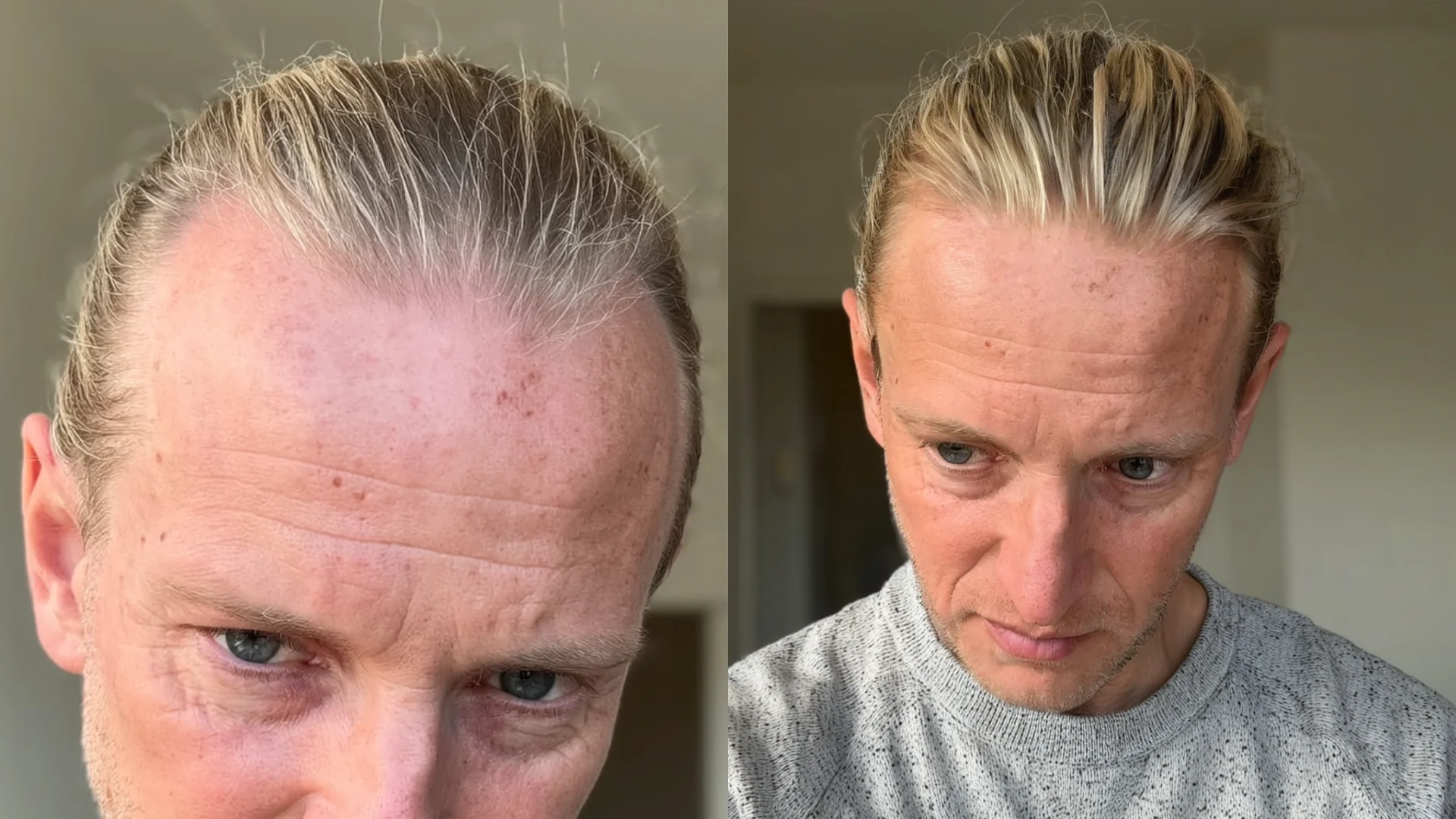
"I'd been losing hair for years. Tried finasteride and minoxidil together, they stopped my hair from getting worse but I never saw regrowth. Just maintenance. Started this and within 8 weeks I noticed small hairs at my temples. By month 6, my hairline looked fuller than it had in two years."
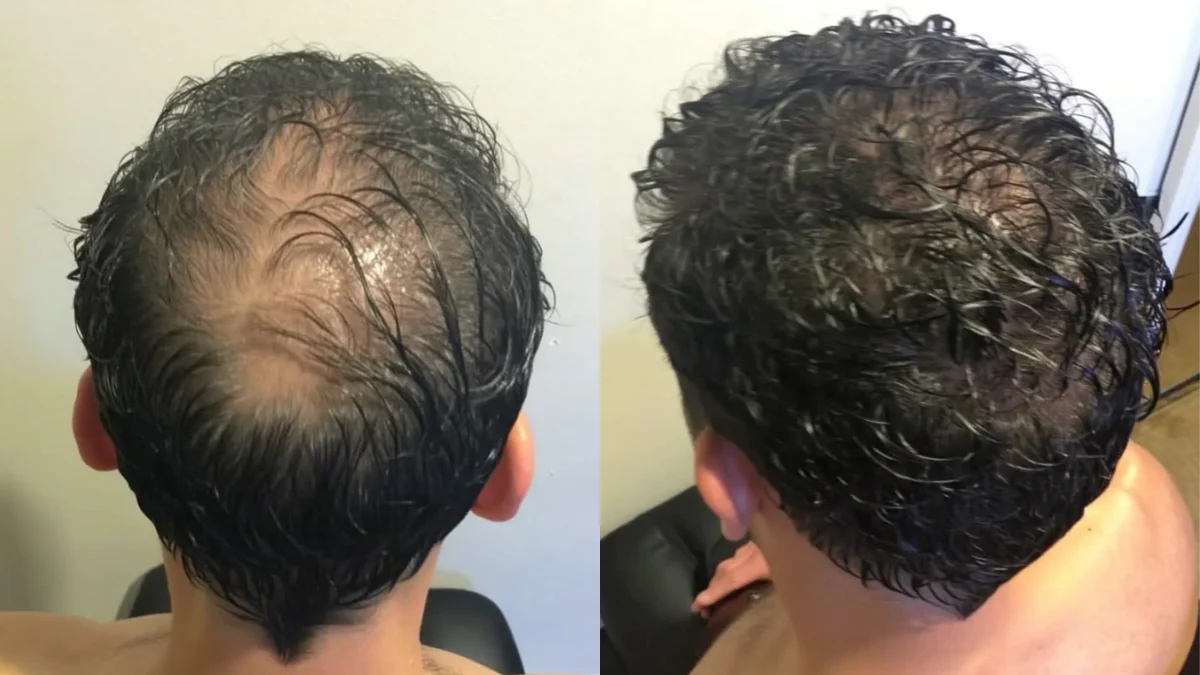
"Used minoxidil for two years because I refused to take finasteride. Wasn't going to risk my sex life for hair. But it barely worked and my crown kept thinning. Been using it for 7 months and my girlfriend can't believe how much better my hair looks."
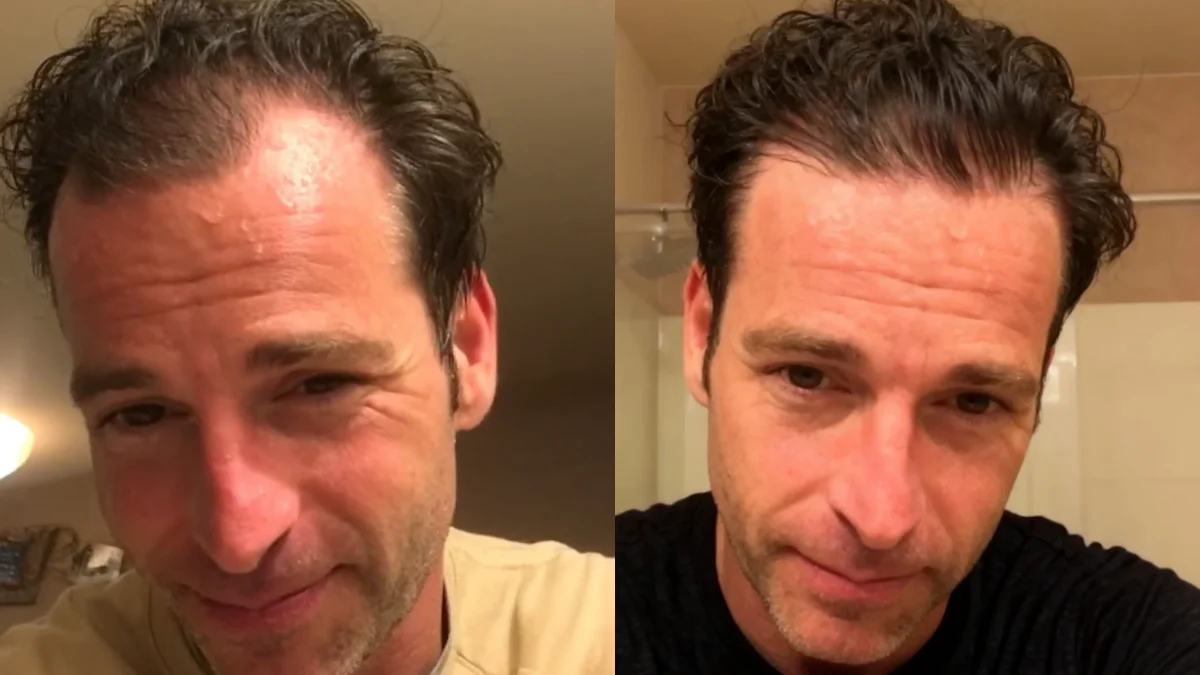
"I've always been against putting drugs in my body, so finasteride and minoxidil were never options. My dermatologist told me about this after I asked for something safe. He said it was the only non-drug option with actual clinical backing. Started working for me a few months in and still using it. Feel a lot better about myself now and not worrying about my hair anymore."
Why Waiting To Find A Treatment Could Cost You Years Of Regrowth
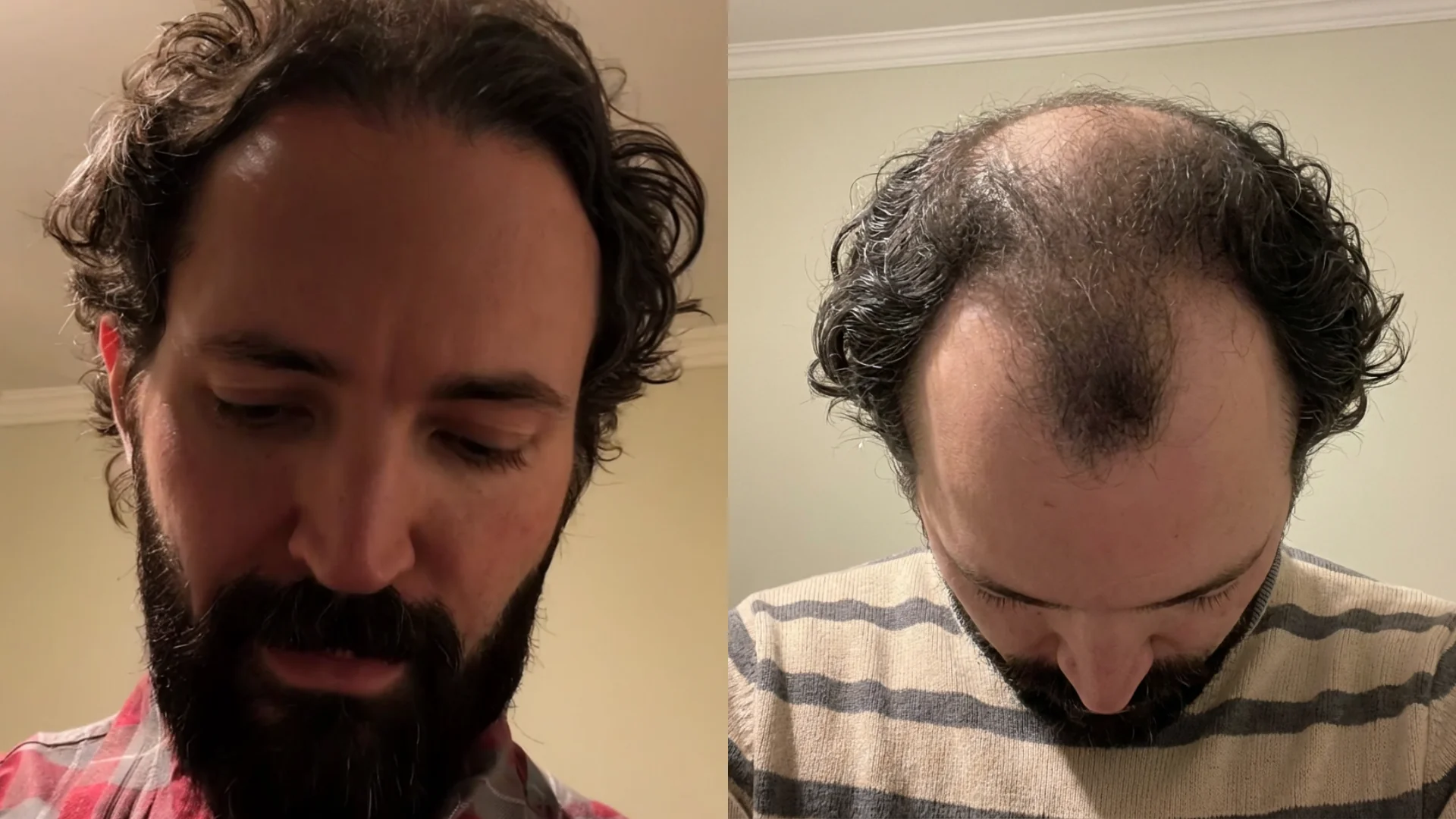
The harsh truth is hair loss is progressive.
Every month you wait, your follicles weaken and once they've been miniaturized for too long, they can't be revived even with the right treatment.
This is why finding the right hair loss treatment for you is very important.
It's hard trying to find something without risking sexual side effects and wasting time and money on snake oil.
But if you're serious about regrowing hair without hormonal drugs and without treatments that don't work for most men, this is an approach worth exploring.
It addresses circulation, growth signaling, local DHT management, and the delivery problem.
Over 350 doctors recommend this system as an alternative to standard drugs.
In my opinion this is the strongest, clinically-backed way to regrow hair without the tradeoffs and it's the one I recommend to my patients.
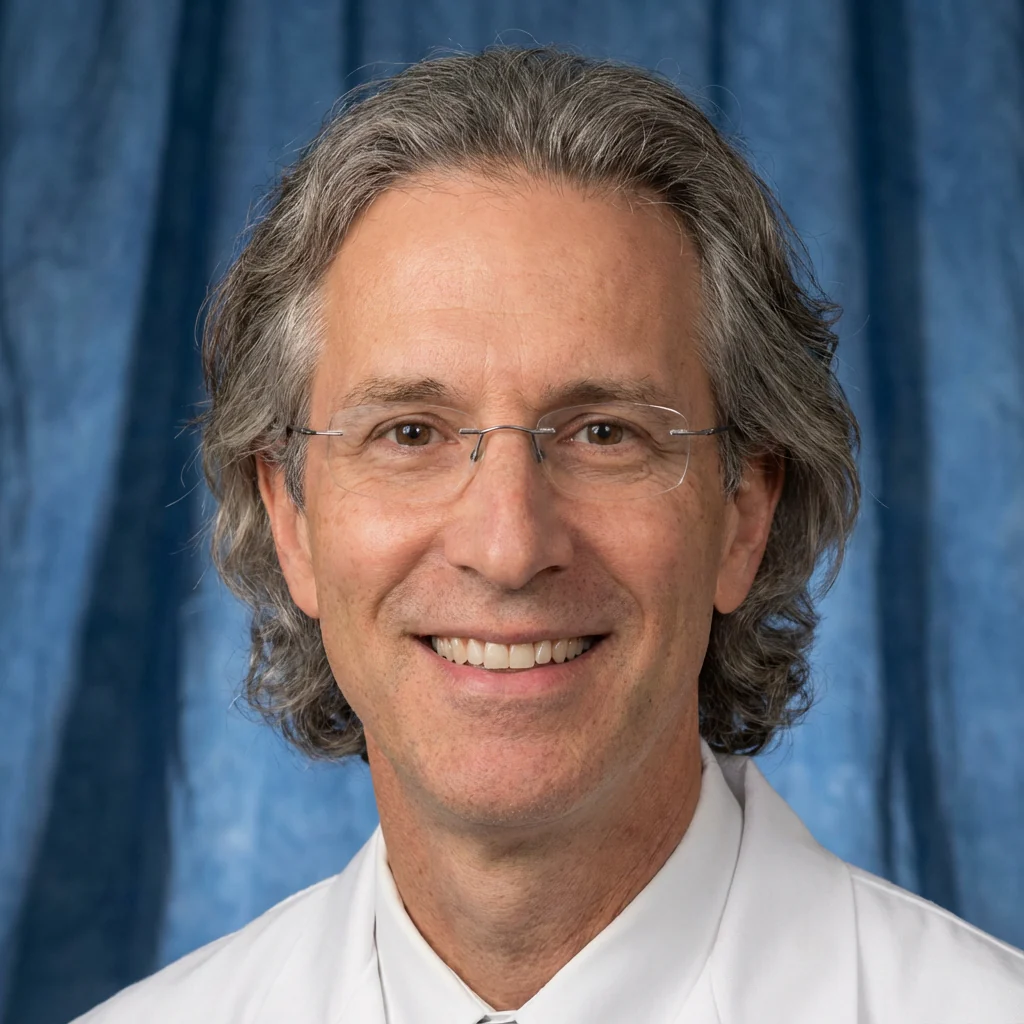
Dr. William Thompson is an award-winning board certified trichologist with over 15 years of clinical experience specializing in hair loss disorders and scalp health. He has published research in the International Journal of Trichology and consults independently on modern, drug-free approaches to hair restoration. He writes to educate patients on evidence-based alternatives to standard pharmaceutical treatments.